
Perhaps, Oranges are the Only Fruit
The Most useful Fruit in the Bar
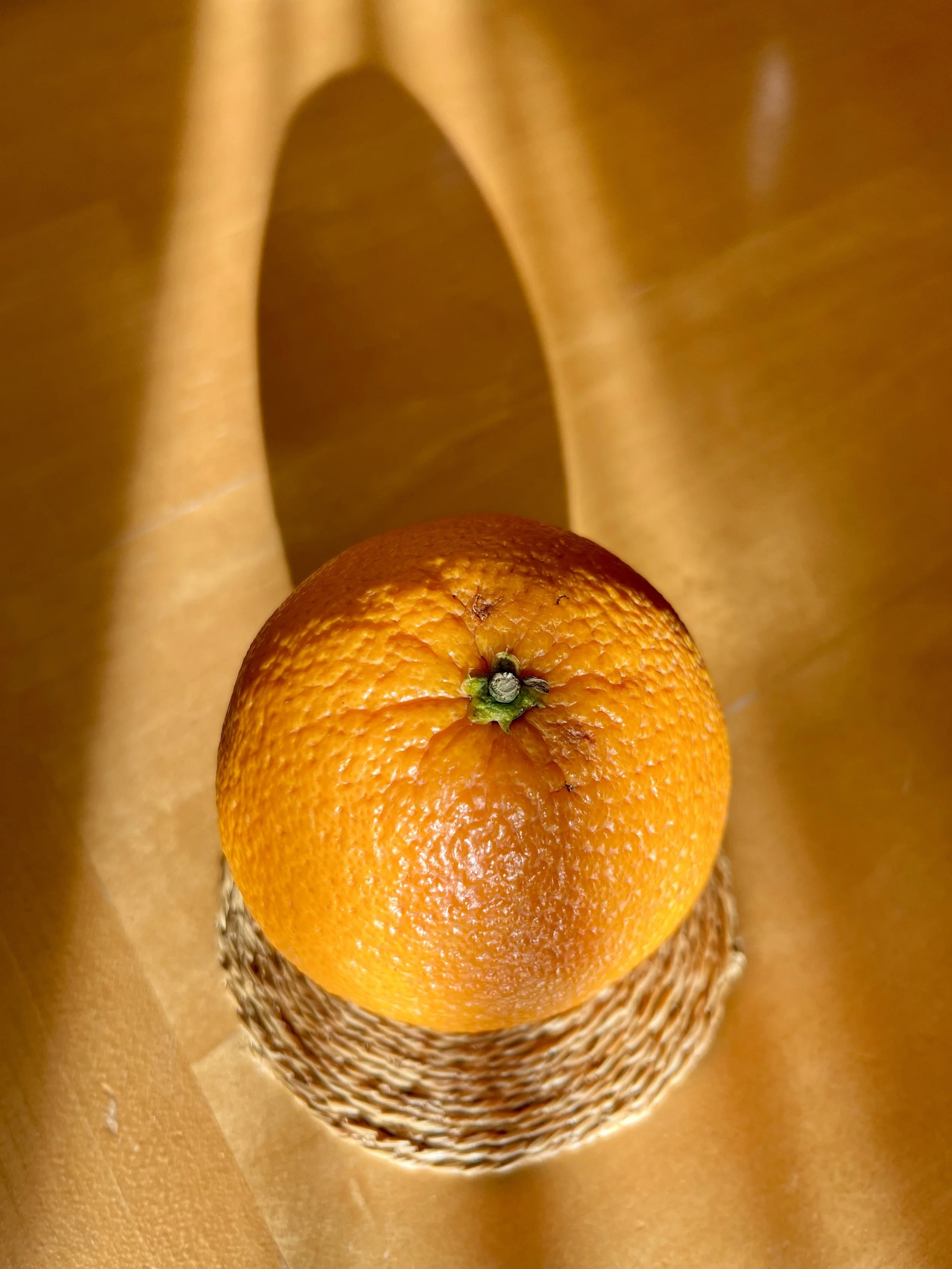
Every week in my shopping basket, you will find an orange. That single piece of fruit will pretty much see me through a week of cocktail garnishes.
It occurred to me recently that, in mixology, the juice of an orange is rarely the star of the show. Behind the bar, orange juice is notoriously difficult to balance; it lacks the sharp, clean acidity of lime or lemon, and its high sugar content can easily make a drink feel flabby. Instead, bartenders are drawn to something far more potent: the fruit's aromatic oils and its visual appeal.
More than decoration
A cocktail should always have a garnish (the Lemon Drop Martini is perhaps a rare exception), and that garnish should never be an afterthought. It should enhance the drinking experience by helping to tell the story of the drink, shifting how you perceive the cocktail before you even take your first sip. Citrus wheels speak of freshness and vibrancy, while a fine slice of peel is the definition of elegance and simplicity. A sprig of thyme, a stem of lavender, or a brush of heather hints at a gin’s underlying botanical recipe, or the origin of a whisky.
But a garnish isn't just decoration—it is an active ingredient, contributing vital aroma and texture. Orange peel is packed with limonene and myrcene, the primary aromatic compounds found in citrus. When you "express" a peel, breaking its skin releases a fine, pressurized mist of aromatic oils. These coat the surface of the liquid, instantly lifting the cocktail and delivering fragrant top notes, earthy base notes and a subtle bitterness from the pith.
Botanical Backbone
The entire category of Italian bitter spirits, amari, is anchored by the orange. The distinct, complex bitterness of Campari and Aperol stems heavily from the infusion of bitter herbs and barks and the dried peels of bitter oranges (often the chinotto or Seville varieties). Vermouths rely on citrus botanicals to brighten their wine bases (such as Cocchi Storico Vermouth di Torino), while dried bitter orange peel (Plymouth Gin) or sweet oranges (Tanqueray 10) are foundational to the identity of gin. During distillation, alcohol vapours extract these essential oils, providing a warm, citrus-forward bridge between resinous juniper and earthy coriander.
Even spirits without added botanicals can share this genetic DNA; during whisky distillation, for instance, a specific eight-carbon ester called octyl acetate forms, infusing the spirit with a matching, bright orange aroma (Glenmorangie). Using an orange garnish for these botanical or whisky-based cocktails doesn’t introduce a random new flavour—it echoes and reinforces the spirit's internal chemistry.
Back to my weekly orange. I’ll typically start the week with a…
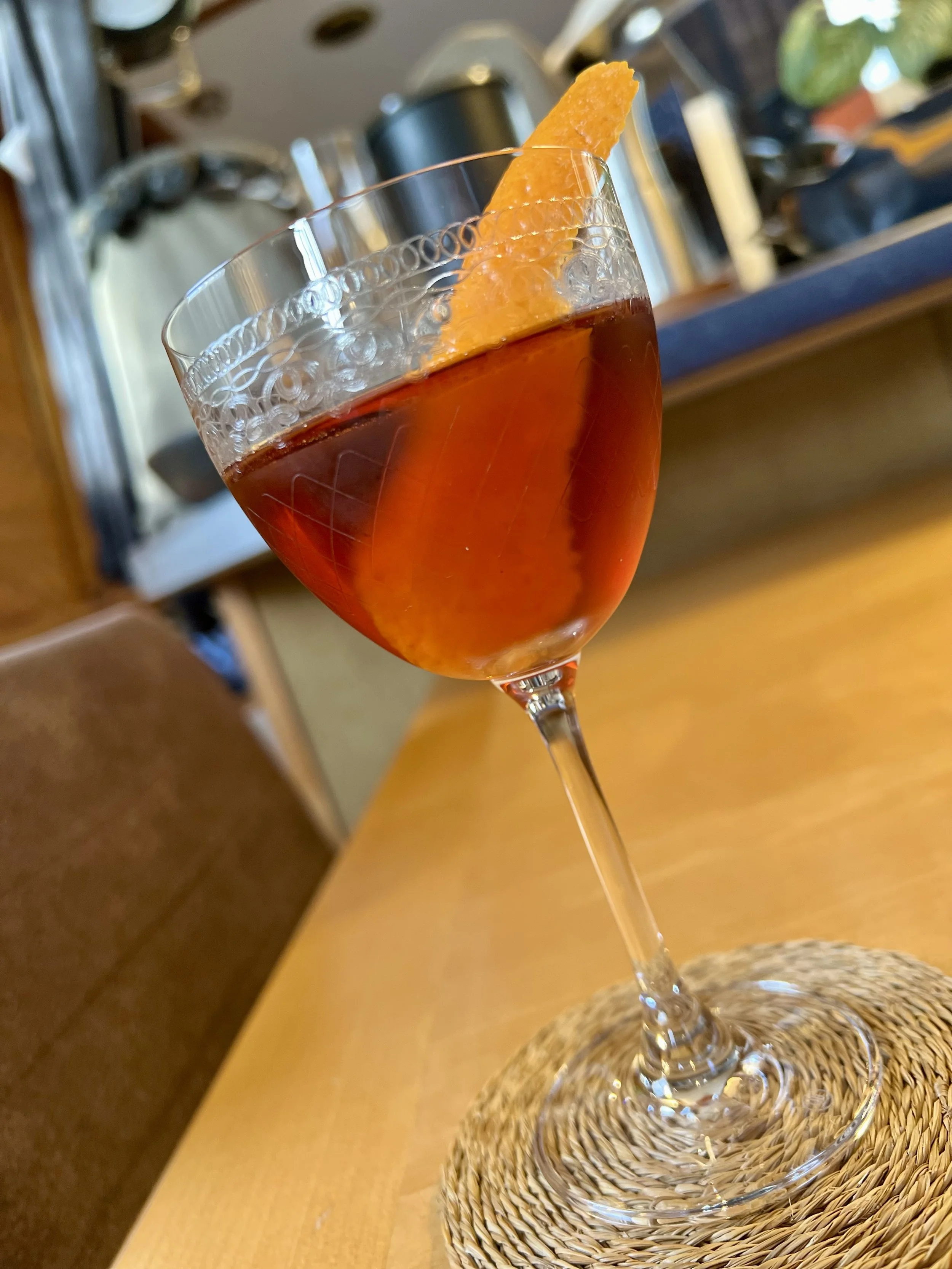
Manhattan
Traditionally, this icon of the cocktail world is garnished with a cherry.
However, I prefer to express a strip of orange peel over the surface, letting those hydrophobic oils mist across the liquid before laying the peel gently on the rim of the glass. The bright citrus top notes immediately lift the rich, heavy texture of the sweet vermouth and bitters while adding a vibrant complexity to the underlying whisky. It transforms the drink from something dense and wintery into a cocktail that feels remarkably alive.
Similarly, I like to use a large slice of peel to garnish my…
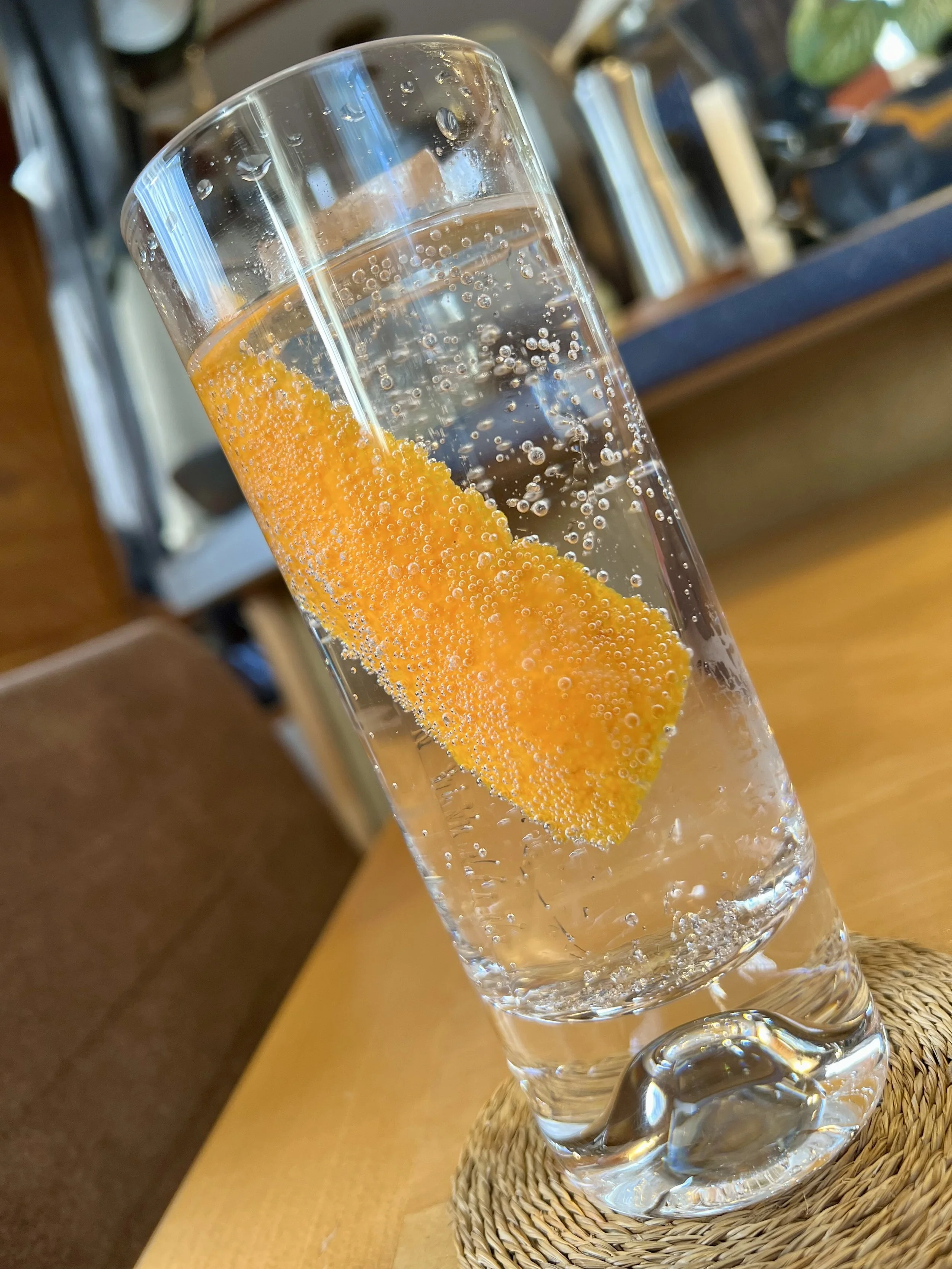
G&T
Many gins feature orange peel in their botanical recipe. Pairing your gin and tonic with a fresh orange wedge or an expressed peel reinforces those internal citrus notes without overpowering the spirit's more delicate, hidden botanicals. It turns a standard highball into something subtle, elegant, and classy.
Midweek, and I’m ready for a…
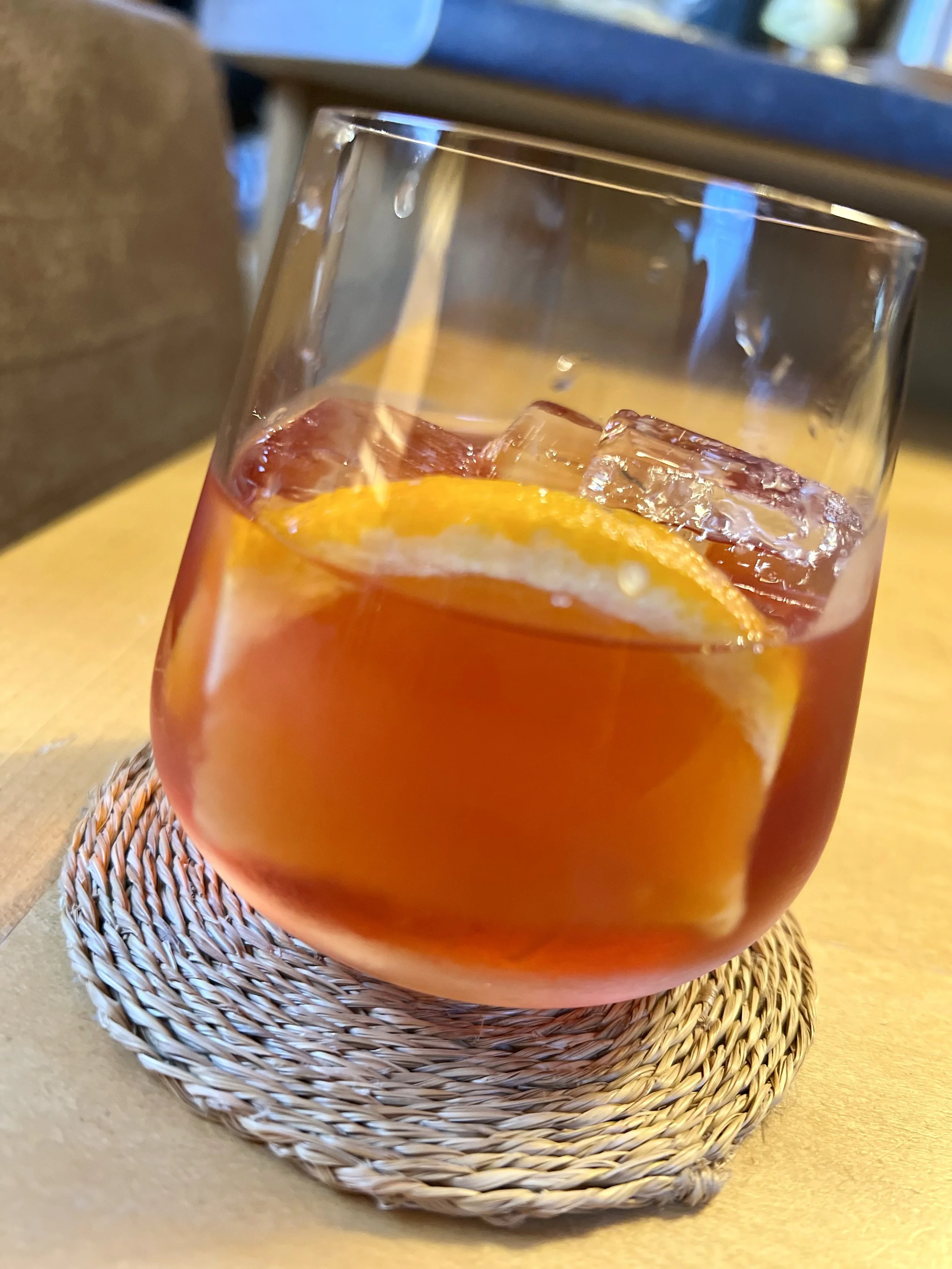
Negroni
Perhaps no cocktail demonstrates the power of the orange better than the Negroni.
Equal parts gin, sweet vermouth, and Campari, this iconic bittersweet drink is built entirely around herbal and citrus flavours. An orange wedge or large twist amplifies the deep orange character already hiding within the Campari and vermouth, while adding a fresh, aromatic lift that prevents the heavy, syrupy elements from overwhelming the palate. It is the perfect marriage of botanical infusion and fresh fruit.
I’ll use a second and third wedge in my…
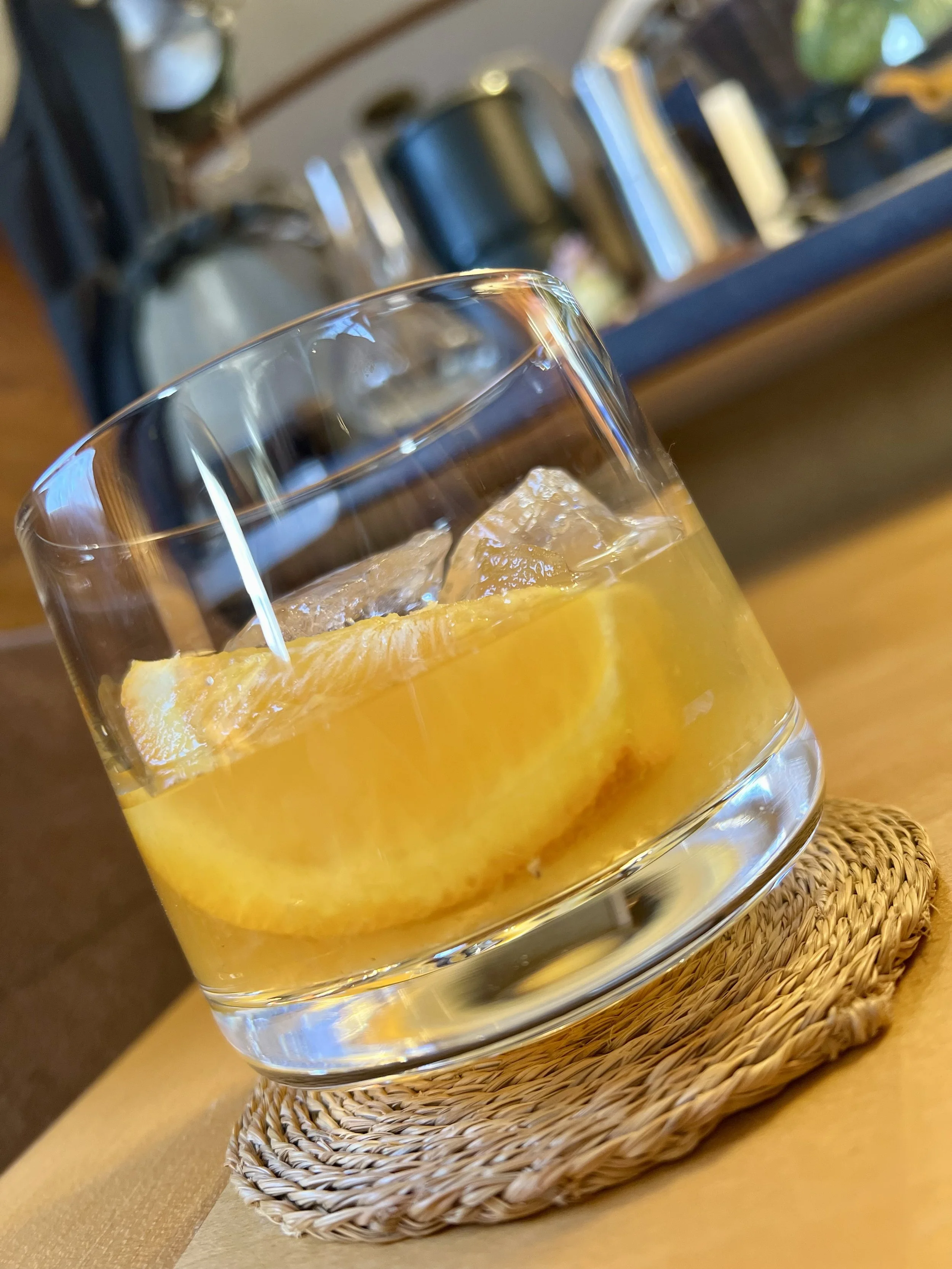
Old Fashioned
For this classic, I muddle an orange wedge with sugar syrup and a dash or two of Angostura Orange Bitters before stirring it with whisky and ice. That original, bruised wedge is discarded and replaced with a fresh one for serving. The combination of the muddled fruit and the fresh garnish ensures that the bright orange notes are deeply woven throughout the entire drink, pairing beautifully with the natural chemistry of the whisky.
I’ve only got half an orange left, so I use a slice or two in an…
Aperol Spritz
An Aperol Spritz without an orange slice is not incomplete (father-in-law I’m looking at you).
That is because Aperol already possesses a highly distinctive, bittersweet orange character. The fresh slice reinforces those exact base notes while releasing bright citrus aromas every time you raise the glass to take a sip. It is one of those rare, magical occasions where the garnish has transcended decoration to become a vital part of the cocktail's very identity.
Saturday morning, and I can luxuriate with a…
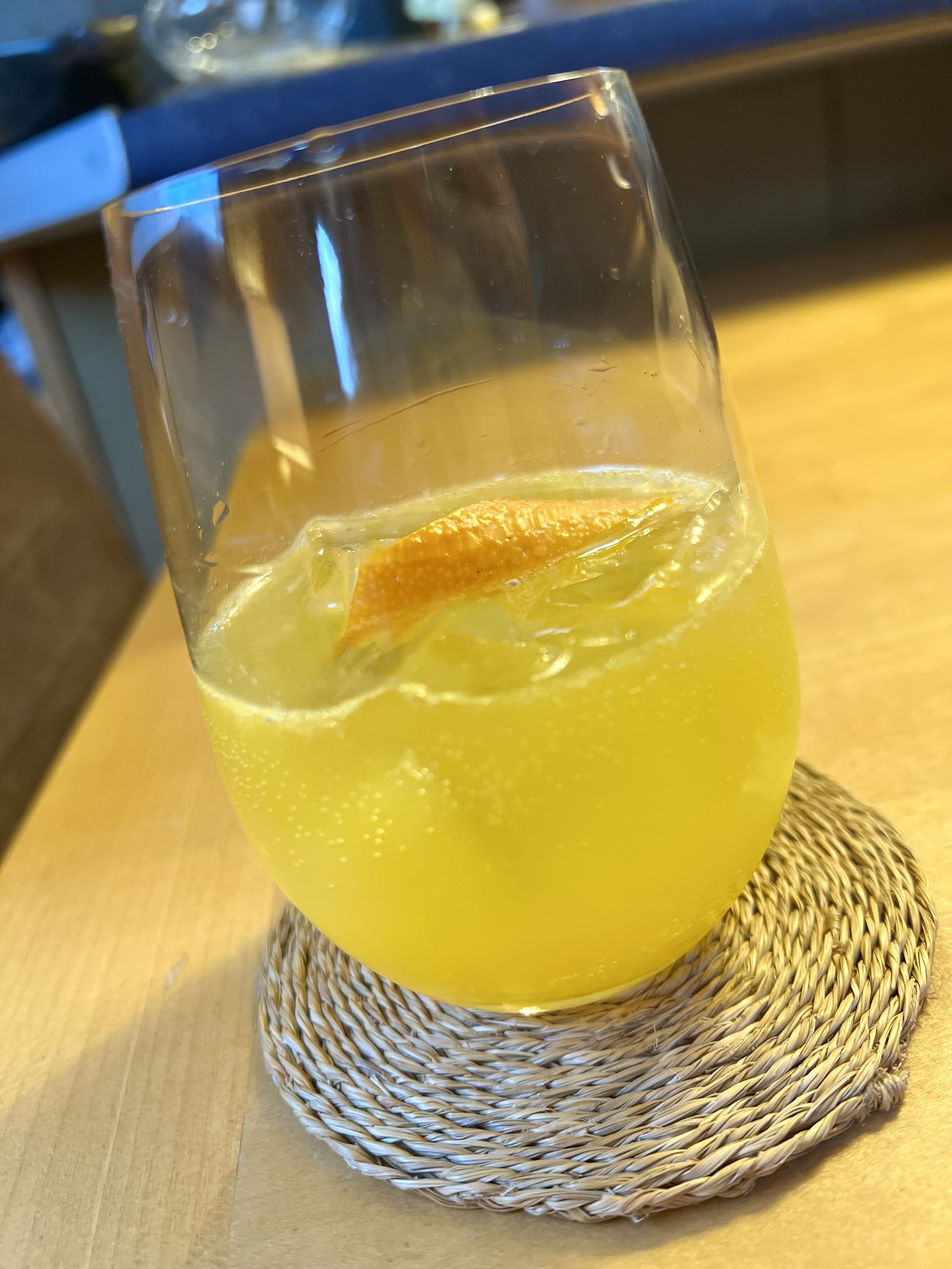
Bucks Fizz or Mimosa
This is where we finally put the juice of what’s left of our weekly orange to good use. A word of advice: don’t skimp on the quality of your bubbles. You will never regret using a proper Champagne in either of these drinks. Whether you opt for a Buck’s Fizz (a crisp 2:1 ratio of fizz to juice) or a classic Mimosa (equal parts 1:1) is entirely up to you. Either way, it is the ultimate weekend luxury.
Lime transforms a Margarita. Lemon lifts a Martini. Grapefruit works beautifully with many modern gins. Pineapple, passion fruit, and summer berries all have their rightful place in tropical cocktails.
But oranges occupy a completely unique position in the pantheon of mixology because they seamlessly bridge sweetness and bitterness. Their aromatic oils pair effortlessly with aged spirits, botanical gins, vermouths, complex bitters, and bittersweet aperitifs, making them one of the most hardworking, versatile ingredients behind any bar.
So, the next time you are served a cocktail with an orange twist, don't look at it as mere decoration. Think of it as the final, crucial ingredient.
Perhaps, just perhaps, when it comes to bartending, oranges really are the only fruit.
