
Will It Piscine? Why keeping wine cool matters more than following the rules.
It's hot!
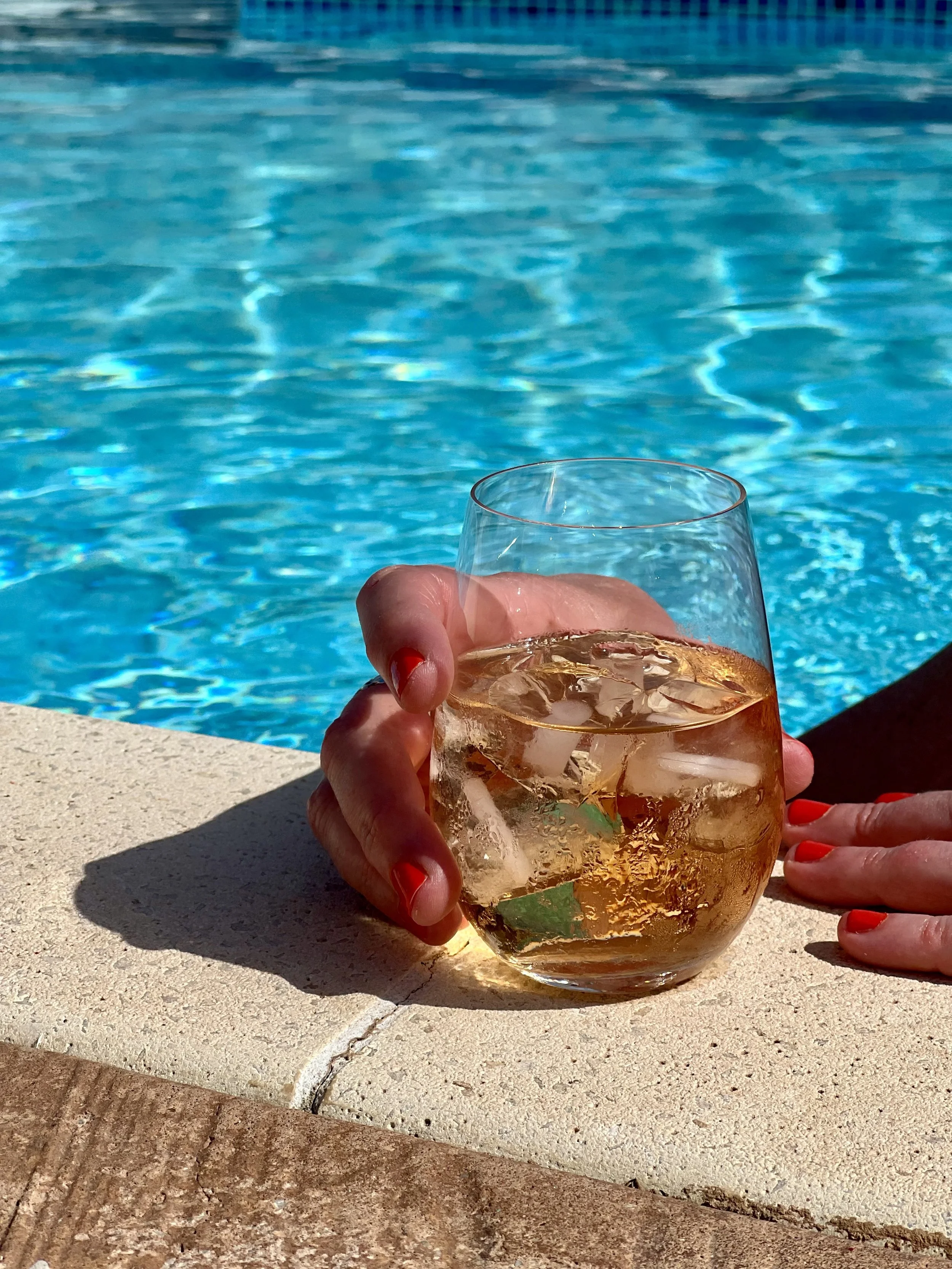
One of the biggest challenges of drinking wine when the temperature rises isn’t choosing the right bottle, the right glass, or the perfect food pairing—it’s keeping the wine at the right temperature. Because temperature directly shapes how a wine tastes, it is arguably the most critical variable in your glass.
This is where physics works against us. Newton's Law of Cooling states the larger the temperature gap between a liquid and the ambient temperature, the faster it will warm up, slowing down only as it approaches the room's temperature. On a hot summer day, this means your crisp, chilled wine will skyrocket in temperature during the first 10 to 15 minutes out of the fridge. Apply Newton’s formula, and it shows a wine served at a refreshing 6°C can leap to a lukewarm 15°C in as little as 10 minutes on a 28°C afternoon.
This thermal ambush is exacerbated by the thin glass walls of standard stemware, which offer virtually no insulation. Add a warm, sweaty hand cupping the bowl, and you speed up the process even further. That sudden temperature spike doesn't just affect how cool the liquid feels—it completely disrupts the delicate balance of flavour, aroma, and alcohol you perceive on your palate.
Flavour Breakdown
This temperature spike changes the wine's chemistry. Due to increased volatility, the wine’s most delicate, floral, and fruit-driven aromas escape into the air too quickly. The overall aromatic profile shifts toward riper, heavier notes that can feel stewed or muted. At the same time, alcohol becomes aggressively noticeable, perceived acidity softens, and the wine loses the crisp, linear edge that made it so refreshing—a tragic state often referred to as "flabbiness." Tannins can become clumsy as the temperature rises, giving a rougher, less polished edge to the finish.
So what are the solutions?
Keep the bottle closed, covered, and in the shade, tucked in an ice bucket or inside an insulating sleeve. Alternatively, you can switch from glass to stainless steel wine tumblers that hold temperature far more effectively. But perhaps the simplest trick is to pour smaller amounts—keeping the majority of the wine in the bottle where it stays cooler for longer.
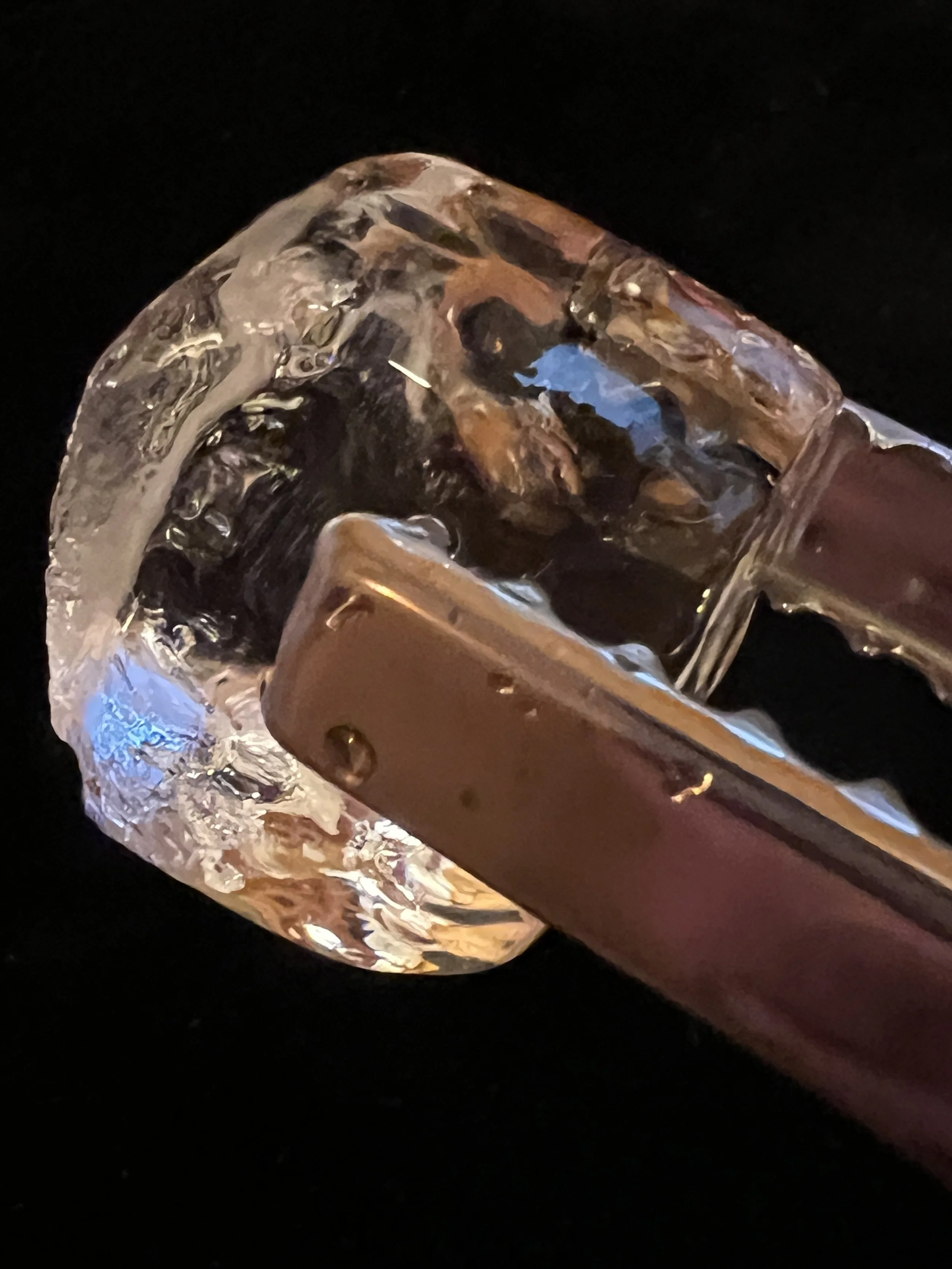
Or… add ice.
When you drop an ice cube into warm wine, you instantly interrupt that aggressive warming curve. The ice rapidly pulls the temperature down, resetting the liquid to something far more refreshing.
I’ve used ice to rescue reds that have been served far too warm and to balance the sweetness-acidity ratio in inexpensive whites.
The French Riviera Ritual
In France, however, serving rosé over ice is more than a desperate fix—it’s a celebrated summer ritual. It even has a dedicated name: Rosé à la Piscine.
The word piscine translates to "swimming pool" in French. While its exact origins are debated, the style is deeply tied to the sun-drenched French Riviera, where ice-cold wine is the ultimate antidote to the Mediterranean heat.
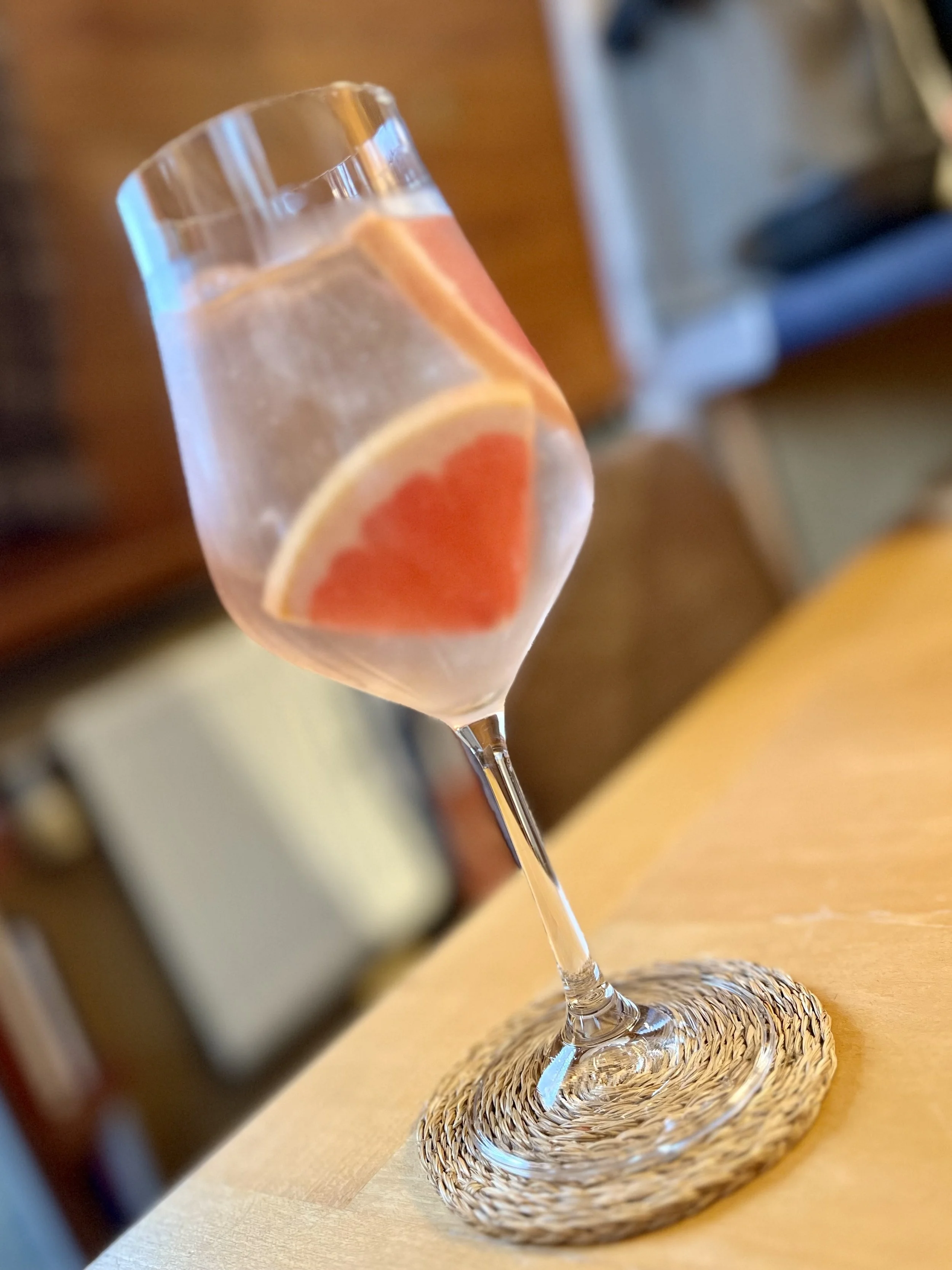
🏊♂️ How to Piscine
Fill a large, balloon-shaped wine glass with ice, pour your rosé directly over the top, and enjoy. Add a slice or two of grapefruit. The result is a drink as crisp and refreshing as an afternoon dip in the pool.
In fact, if you order a glass of rosé with lunch in the south of France during July or August, it will almost always arrive alongside a small bucket of ice cubes and tongs so you can customise your own chill.
The ice drops the wine to a refreshing temperature almost instantly. Then, as it slowly melts, it lowers the alcohol concentration, stretches the drink, and softens any heavy sweetness. It transforms a standard wine into a lighter, thirst-quenching style perfectly suited for long, lazy summer lunches.
A Word of Caution
Adding ice to wine is still a hotly debated practice, and not every bottle responds well to the piscine treatment. Delicate white wines easily lose their aromatic intensity while their bare acidity becomes unpleasantly pronounced. Oaked reds suffer even more, as extreme cold accentuates harsh bitterness and wood tannins. As for sparkling wines? They will quickly lose their precious fizz.
The piscine technique is genuinely best reserved for rosé. Thanks to their ripe fruit flavours, moderate alcohol, generous texture, and naturally softer acidity, these wines can better withstand the dual onslaught of extreme chilling and water dilution without losing their signature appeal.
Whether you're sitting in a sunlit village square, on a yacht deck, at a lakeside terrace, or overlooking a sweeping vineyard, Rosé Piscine is as much about the experience as it is about the wine.
That's why it makes perfect sense from a hospitality perspective. On a scorching summer afternoon, guests naturally gravitate toward lower-ABV, crisp, chilled drinks. Offering a piscine serve lowers the psychological barrier to ordering wine with a daytime meal, positioning it as a refreshing, sophisticated alternative to a beer or a spritz.
It also creates effortless tableside theater. Presenting a generous balloon glass alongside an elegant ice bucket and silver tongs transforms a simple order into an experience. It feels unmistakably Riviera-inspired—relaxed, luxurious, and explicitly designed for lingering over lunch. And, let's be honest, it's far more Instagrammable!
Tips for Perfecting the Piscine
Go big on the ice: Choose large, dense ice cubes. Their lower surface-area-to-volume ratio means they melt much slower, chilling your wine with minimal dilution.
Pick the right bottle: Reach for fruity, unoaked styles with moderate alcohol and rich flavor concentration. They have the backbone to handle the chill.
Avoid the oak: Stay away from heavily oaked or deeply tannic styles. Extreme cold and water will weaponize that phenolic grip, masking the fruit and leaving a bitter finish.
Upgrade your glass: Use a sturdy, generously sized balloon glass. It gives the ice plenty of room to move, looks beautiful, and won't easily crack like delicate, fine-rimmed stemware.
Ice first, then wine: Drop the cubes into the glass gently before you pour. Pouring the wine over the ice flashes the liquid cold instantly and completely eliminates messy splashing.
Don't overthink it. At the end of the day, Rosé Piscine is meant to be casual and fun. If the sun is shining and your glass stays ice-cold to the very last sip, you've mastered the physics of summer drinking.
So... Will it Piscine?
I decided to put the theory to the test. I selected three completely different styles of rosé to see exactly how they would handle the ice—or whether they would sink straight to the bottom of the pool.
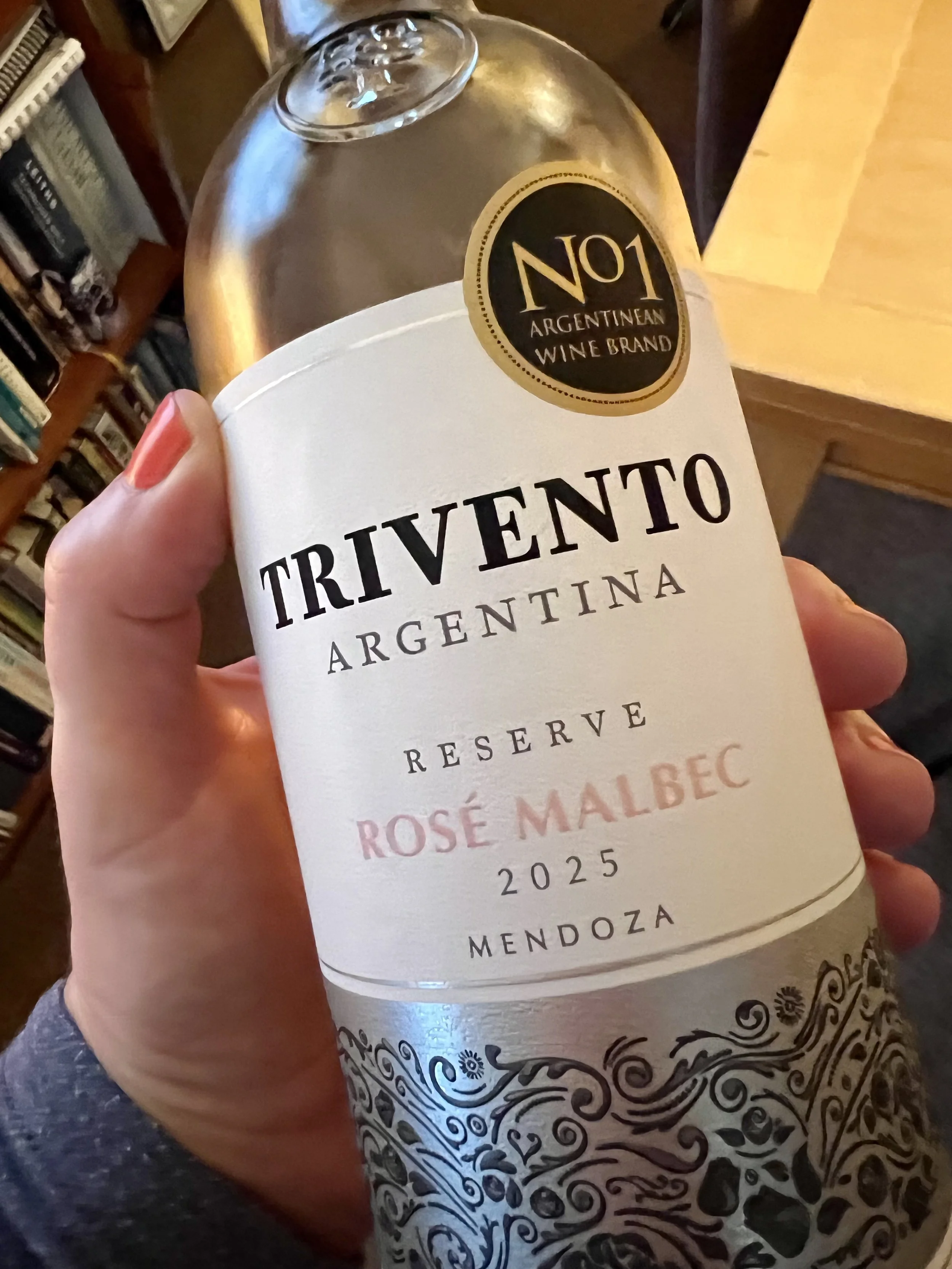
1. Trivento Rosé Malbec Reserve
Deeper in color and fuller-bodied than a classic Provence-style rosé, this Argentine bottle exhibits notes of pink cotton candy, ripe plum, and damson, backed by a light herbal note.
The Verdict: ❌ It Doesn't Piscine
I expected the ripe fruit concentration and extra weight to stand up well to the ice, but the exact opposite happened. The aggressive cooling effect instantly amplified the wine's phenolic character, driving bitterness and stewed-fruit notes right to the forefront. What was left felt hollow, angular, and surprisingly stripped of all its charm.
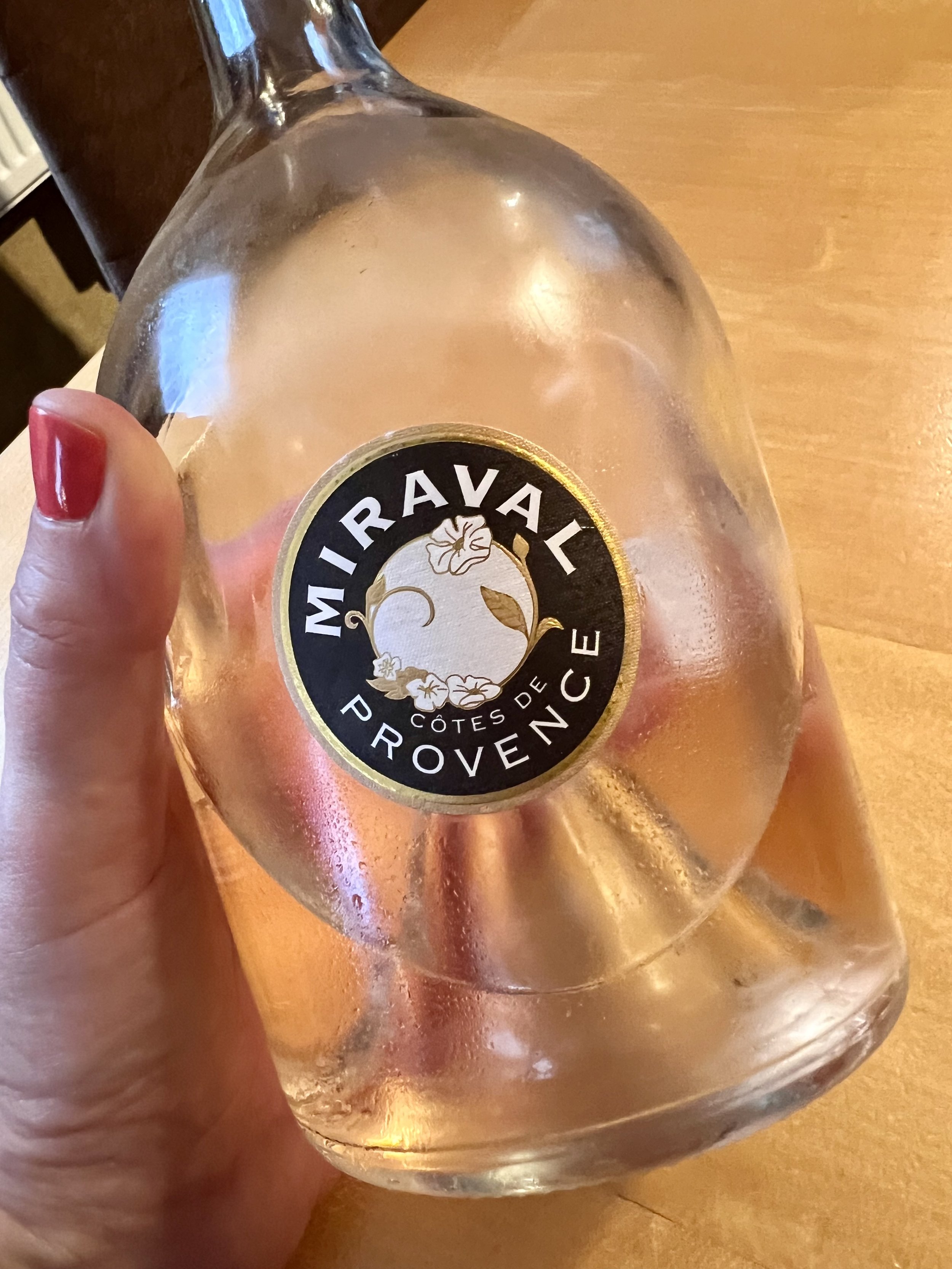
2. Miraval Côtes de Provence
A classic, bone-dry Provence rosé. Elegant and silky, featuring delicate red berry fruit, subtle spice, floral notes, and the hallmark mineral persistence of the region.
The Verdict: ⚠️ It Sort of Piscines
This iconic style relies on finesse rather than power. A glass packed with ice quickly muted its delicate aromas and subtle complexity, leaving the liquid feeling subdued and flat. However, dropping in a single large cube was a completely different story. It kept the wine beautifully crisp in the summer heat while successfully preserving its elegant, refreshing character.

3. Balfour Winery Five Oak Lane English Rosé
Bright red cherry, rose petal, and a hint of black pepper, backed by a lively, crisp acidity and a beautifully low alcohol level of just 11.5%.
The Verdict: ✅ It Piscines Perfectly!
This was the absolute surprise of the tasting. I didn't expect an English rosé to outperform the others, but it made a superb piscine. The vibrant red berry fruit remained incredibly expressive even after the ice was introduced, while the naturally lower alcohol kept the profile light, fresh, and remarkably crushable. If anything, the intense cooling accentuated its refreshing character rather than diminishing it.
Avoiding Over-Complex styles
Avoid complex, aged rosés for the piscine treatment. Wines with heavy oak influence, extended lees aging, or subtle tertiary development completely lose their nuance when diluted. The ice simply flattens their structural layers and mutes the very details that make them interesting in the first place. I certainly wouldn’t be pouring a rare Viña Tondonia Gran Reserva Rosado or a Château Galoupet à la piscine—these are serious wines built on texture, restraint, and intellectual complexity, rather than poolside refreshment.
Designed for Ice
Interestingly, some producers have gone in the exact opposite direction, actively designing wines meant specifically for ice service. These are not traditional rosés being adapted to the trend—they are built from the ground up to be diluted.
To survive the ice, the winemaking focus shifts toward:
Overt fruit expression: loud, intense fruit aromas that won't get muted by the cold.
Higher residual sweetness: extra sugar to balance out the coming dilution.
Softer structural tension: lower starting acidity so the wine doesn't turn sour when chilled.

Moët & Chandon Ice Impérial Rosé and Vinovalie’s aptly named Rosé Piscine are two brilliant examples of wines created specifically for this ritual. Their sweetness, acidity, alcohol, and bitterness are carefully engineered to accommodate both rapid chilling and gradual meltwater. It is a deliberate style that leans entirely into freshness, fruit expression, and the joyful theater of summer drinking.
Final Thoughts
So, while the internet continues its eternal debate over whether adding ice to wine is a crime or a convenience, I find myself interested in something far simpler: the fascinating way temperature shapes exactly what we taste.
This summer, you’ll find me sitting by the pool, tongs in hand, with ice in my glass, asking the only question that matters:
Will it piscine?
